
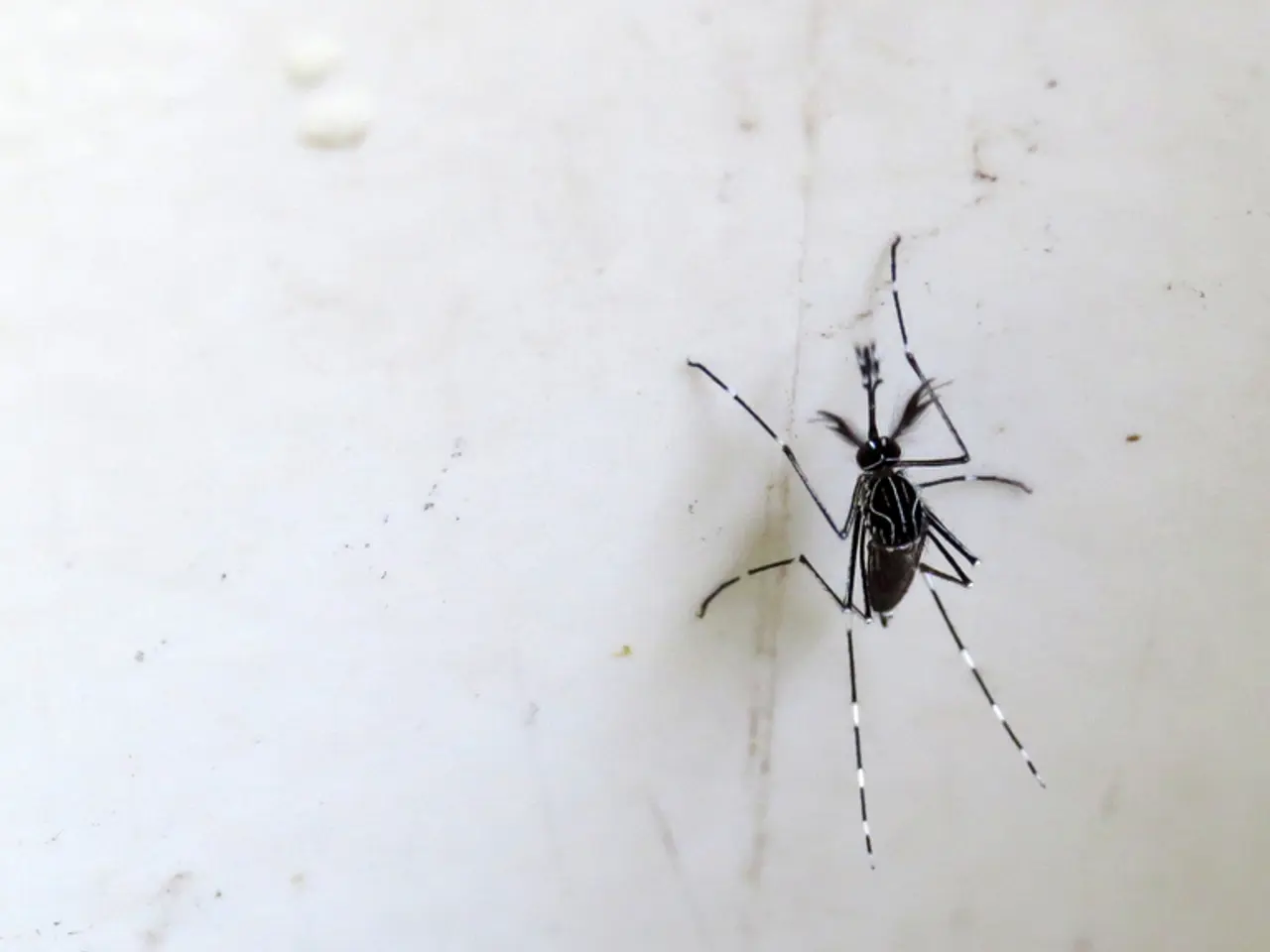
Effective Natural Insect Repellents: Top 10 Plants That Drive Away Mosquitoes
In a bid to create a pest-free outdoor living space, gardening enthusiasts can now turn to a variety of beautiful and fragrant plants that double as natural mosquito repellents. These plants not only add vibrance and beauty to gardens but also serve as effective barriers against mosquitoes and other insects.
1. **Citronella Grass (Cymbopogon nardus or C. winterianus)** - Known for its strong lemony scent, Citronella Grass is a popular source of citronella oil used in commercial mosquito repellents and candles.
2. **Lavender (Lavandula)** - With its fragrant flowers containing linalool and other oils mosquitoes dislike, Lavender is a popular choice for those seeking a calming aroma and pest control.
3. **Marigolds (Tagetes)** - Emitting a strong odor called pyrethrum, a compound used in many insect repellents, Marigolds keep mosquitoes and other insects away.
4. **Basil (Ocimum basilicum)** - An easy-to-grow herb, Basil produces a strong scent repellent to mosquitoes. Its essential oils disrupt mosquito sensory functions.
5. **Rosemary (Salvia rosmarinus)** - With its woody, pine-like aroma, Rosemary is an effective mosquito repellent. Burning rosemary sprigs also releases smoke that drives mosquitoes away.
6. **Peppermint (Mentha piperita)** - Containing menthol and other essential oils, Peppermint confuses and repels mosquitoes. Its strong, fresh scent is effective in keeping them at bay.
7. **Catnip (Nepeta cataria)** - Known for its nepetalactone, a chemical proven in studies to be even more effective than DEET at repelling mosquitoes, Catnip is an attractive low-growing plant that blooms attractively.
8. **Lemon Balm (Melissa officinalis)** - Rich in citronellal, similar to citronella grass, Lemon Balm is another citrus-scented herb that mosquitoes detest. Crushing its leaves releases a powerful repellent aroma.
9. **Scented Geraniums (Pelargonium spp.)** - Especially citronella-scented varieties, Scented Geraniums emit a citronella-like fragrance when their leaves are crushed, repelling mosquitoes naturally.
10. **Ageratum** - Producing coumarin, a compound with a scent mosquitoes avoid, Ageratum is sometimes used in commercial mosquito repellents.
These plants work as natural mosquito repellents primarily through the strong scents and essential oils they emit, which mosquitoes find unpleasant or confusing. By emitting strong, pleasant or spicy aromas, these plants confuse mosquitoes, making it harder for them to detect humans. Some compounds, like pyrethrum from marigolds, directly affect the mosquito’s nervous system, reducing their presence.
Planting a combination of these herbs and flowers around outdoor living spaces not only beautifies the garden but also creates a natural barrier against mosquitoes without harmful chemicals. Other plants, such as Herb of Grace (Ruta Graveolens) and Marjoram, also offer additional benefits, with the former treating pain, dermatitis, and other inflammatory diseases, and the latter aiding in digestion and menstruation.
- The nursery now offers seed packets for various indoor plants like Basil, Rosemary, and Peppermint, making it easy for homeowners to start a mini indoor garden and enjoy their pest-repelling benefits.
- With the rise in home-and-garden lifestyle, installing a small balcony gardening setup is a popular choice among apartment dwellers who wish to grow their own Lavender, Marigolds, or Scented Geraniums, deterring mosquitoes while enriching their urban living space.
- For those who may not have a garden or balcony, Citronella Grass and Ageratum can be grown in pots and placed strategically around the home to create a mosquito-free living environment indoors as well as outdoors.
- Moreover, by incorporating certain plants such as Catnip, Lemon Balm, and Rosemary into window boxes or patio planters, one can effectively extend the mosquito-repelling perimeter to outdoor dining and entertaining areas.
- Extension of gardening hobbies by growing mosquito-repelling plants not only adds a touch of green to one’s lifestyle but also enhances the overall aesthetic of outdoor living spaces, offering a pest-free, vibrant, and beautiful environment to enjoy.