
Efficient Shortcuts for Enhancing Domestic Convenience: My Personal Experience
In today's fast-paced world, technology has become an integral part of our lives, extending its reach into our homes to streamline daily routines and help reclaim precious "me-time". By adopting a comprehensive approach, you can integrate technology effectively to enhance your emotional well-being, improve productivity, and strike a better work-life balance.
First, set clear goals and boundaries. Define what you want to achieve with technology, such as separating work from personal life, streamlining daily tasks, and supporting mental wellness. Explicit boundaries around work hours and device usage help maintain balance. For example, use apps to limit work emails after hours and reduce social media scrolling.
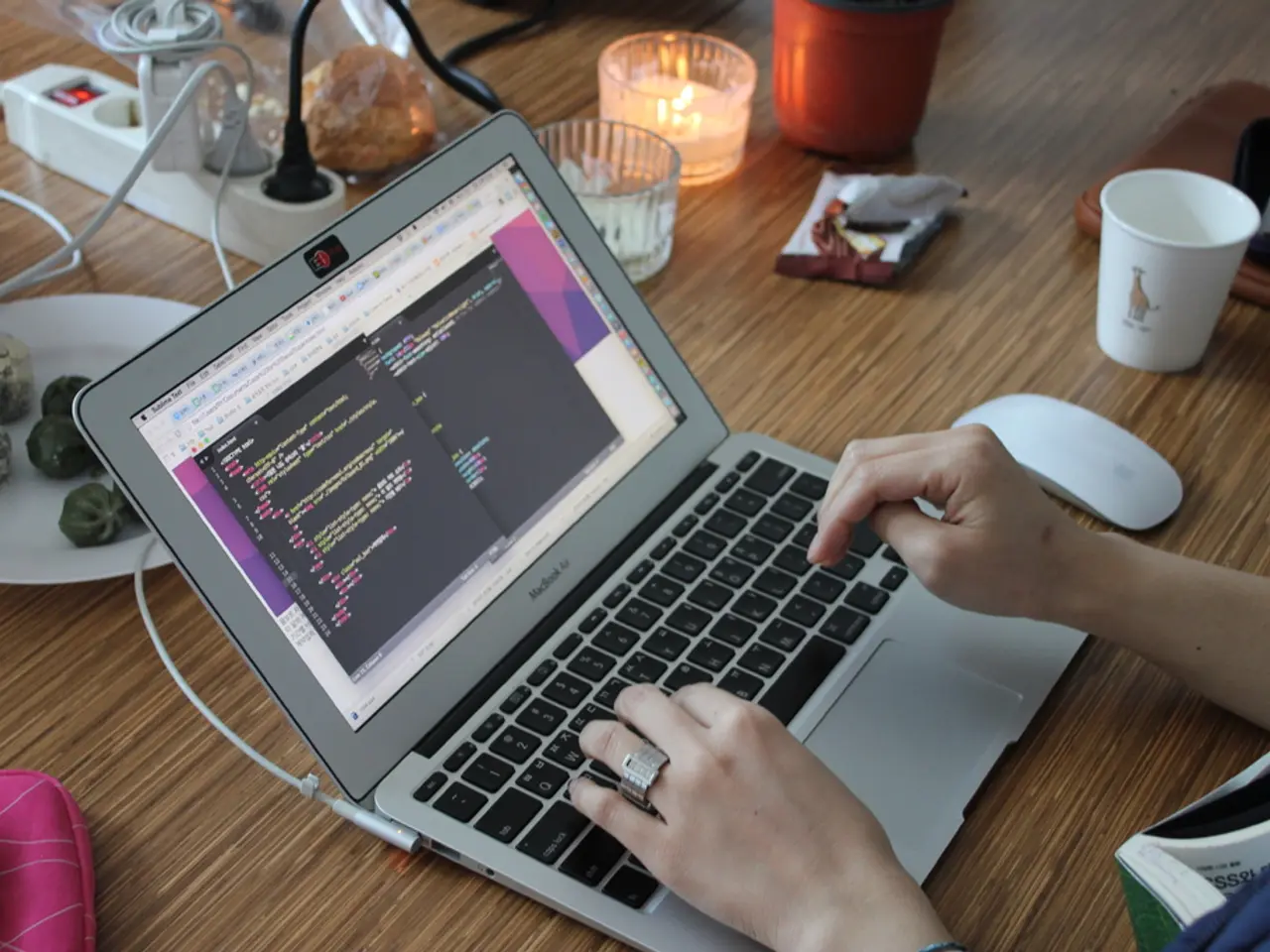
Next, create a dedicated, technology-equipped workspace. Establish a specific area in your home solely for work, equipped with ergonomic furniture and technology that supports focus. A physical “work zone” signals your brain to focus during work hours and relax after, helping reduce stress and improve productivity.
Leverage productivity and automation tools to organize tasks and prioritize effectively. Utilize digital productivity apps like Trello, Asana, or Todoist to manage your schedules more efficiently. Automate routine chores such as bill payments, grocery orders, and reminders using smart home devices and apps to free time for more meaningful activities.
Implement smart home integration with interoperable devices to create a seamless ecosystem. This allows for automation such as lighting adjustments, climate control, or reminders geared toward your daily routine and comfort—contributing to emotional well-being.
Ensure secure, reliable technology infrastructure by following best practices like using secure gateways for device communication, continuous system monitoring, and timely updates to protect your data and prevent disruptions that can impact your work and peace of mind.
Lastly, monitor and adjust your technology usage regularly. Regularly assess how technology affects your routine and mood. Use monitoring tools to track device health and your own digital habits. Adjust app settings, schedules, or automation rules to align better with your evolving needs and well-being.
By combining a well-planned workspace, smart productivity tools, home automation, and mindful technology use, you can create an environment that supports productivity, reduces stress, and enhances your emotional well-being. In essence, technology can be likened to having a personal assistant at home, making life easier and helping you reclaim "me-time" in a busy world.
- Set intentional goals and boundaries regarding technology usage, such as limiting work emails after hours and reducing social media consumption during non-work hours.
- Create a family-friendly, technology-rich home environment by designing a dedicated workspace equipped with smart home devices, ergonomic furniture, and gadgets that foster productivity, mental wellness, and family bonding.
- Maintain a balanced lifestyle by automating household chores using productivity and automation tools like Trello, Asana, or Todoist, and smart-home devices that save time and reduce stress.
- Enhance your work-life balance by leveraging home-and-garden technology like smart devices for climate control, lighting, and reminders to create an intentional, supportive environment.
- Prioritize security and reliability in your smart-home setup by following best practices like secure gateways for device communication and continuous system monitoring to protect your data and prevent unwanted disruptions.
- Regularly monitor and adjust your technology usage to ensure it supports your evolving habits and emotional well-being by using blog posts, podcasts, or monitoring tools that offer insights into effective technology use and digital wellness strategies.