
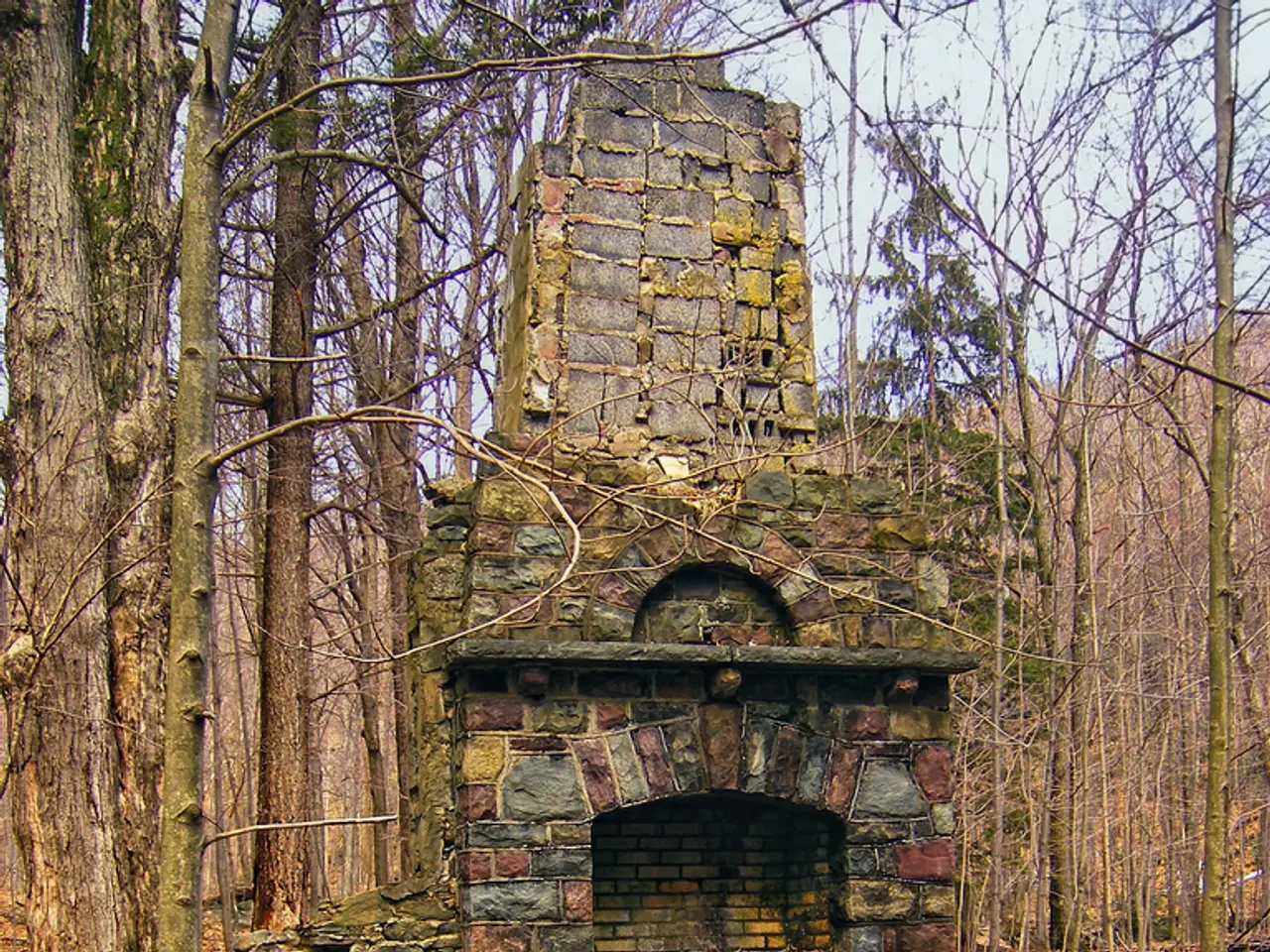
Restore your deteriorating brickwork with ease using this comprehensive repointing guide, detailed in simple steps.
In the quest to save money while maintaining the structural integrity and visual appeal of your home, our guide to DIY brick repointing is here to help. This article provides a step-by-step approach to repointing brickwork, covering essential tools, recommended mortar mixes, and key techniques for effective repointing.
**Essential Tools for DIY Repointing**
To ensure a successful DIY brick repointing project, you'll need the following tools:
- Chisel and hammer: Gently remove old mortar, especially in delicate areas like windows and doors to avoid damage. - Pointing trowel: Precisely fits the mortar joints for ease of application and a good finish. - Hawk: A flat board with a handle to hold mortar while working for easy access. - Jointer or wooden/rubber stick: Shapes the mortar and creates a neat, slightly open texture finish that matches existing work. - Stiff bristle brush: Cleans joints before repointing and smooths mortar after application. - Spray bottle with water: Moistens joints before repointing and prevents mortar from drying too quickly. - Safety gear: Gloves and eye protection during mortar mixing and application.
**Recommended Mortar Mix for Old and Modern Homes**
For modern homes and mid-20th century onward constructions, a Type N lime-Portland cement mortar is ideal. It balances flexibility, strength, and breathability, making it less prone to cracking and appropriate for many restoration projects.
For older or historic homes, typically built with traditional lime mortar, pure Portland cement mortars can be too rigid and damaging. Use a lime-based mortar that replicates the softer texture and breathability of historic materials to avoid damage to the bricks and allow moisture to escape.
**Key Techniques for Effective Repointing**
1. Remove old mortar fully: Clean out to a sufficient depth (usually twice the joint width) without damaging brick edges. 2. Clean and moisten joints: Brush away dust and spray with water to improve new mortar adhesion and drying consistency. 3. Mix mortar carefully: Match the existing mortar’s color and texture closely. Measure ingredients accurately and record ratios for consistent batches. 4. Apply mortar in layers: Press mortar firmly and fully into joints, ensuring no air pockets, then finish joints with the appropriate tool while the mortar firms and before it completely dries. 5. Finish texture: Slightly open finishes look better and allow water runoff. Use a stick or rubber to gently rub the joint surface, then softly brush over before drying completes. 6. Work from top down: To keep dust and water from settling on freshly pointed joints. 7. Curing: Spray joints lightly with water periodically to prevent too rapid drying and ensure proper curing.
By following these steps, you can preserve the structural integrity and visual appeal of your brickwork while saving on labor costs. Repointing brickwork can also give the outside of a home a cosmetic makeover.
Remember, if open joints are visible around the mortar bed, it is time to consider repointing. Lime mortar is more suitable for older homes built before the 1920s, as it is more breathable and less susceptible to salt and sulphate attack.
When you have a space large enough to take the new mortar, stop raking out and brush the joints down. Then give the joints a spray with water - this helps the new mortar dry out evenly. An angle grinder should be avoided when repointing brickwork, as it can easily damage the face of the brickwork or stone.
Repointing brickwork can help prevent unwanted damp issues in a home, but you should also consider removing a brick from a wall if it's in poor condition. The cost of repointing brickwork can range from £20-£30/m2, but it depends on the type of mortar used and other factors.
Lastly, read our guide on brick slips, a smart alternative to traditional bricks, where your repointing skills will still come in handy. Happy repointing!
- To ensure a successful DIY brick repointing project, tools such as a chisel and hammer, pointing trowel, hawk, jointers or wooden/rubber sticks, stiff bristle brush, spray bottle with water, safety gear, and a hawk are essential.
- For modern homes and mid-20th century construction, a Type N lime-Portland cement mortar is recommended, while for older or historic homes, a lime-based mortar is more suitable to avoid damaging the bricks and maintain the home's visual appeal.
- Key techniques for effective repointing include removing old mortar fully, cleaning and moistening joints, mixing mortar carefully, applying mortar in layers, finishing texture, working from top down, and curing the brickwork.
- Repointing brickwork not only preserves the structural integrity of a home but also helps maintain its visual appeal and can give the exterior a cosmetic makeover.
- Open joints visible around mortar beds may require repointing to prevent unwanted damp issues in a home.
- When repointing brickwork, an angle grinder should be avoided to prevent damage to the brickwork or stone.
- The cost of repointing brickwork can range between £20-£30/m2, depending on the type of mortar used and other factors. A Guide on brick slips, an alternative to traditional bricks, can provide further information where your repointing skills will still come in handy.